Few artists in modern pop history have managed to transform personal adversity into chart-topping success quite like Ariana Grande. From her early days as a theater kid in Boca Raton, Florida, to becoming one of the best-selling music artists of all time, her trajectory is as fascinating as it is instructive for anyone seeking to understand the mechanics of sustained stardom.
Ariana Grande has built a career defined by vocal powerhouse performances, carefully crafted public personas, and an uncanny ability to connect with audiences across generations. Her journey spans Broadway roots, a Nickelodeon television career, and a discography that has consistently dominated streaming platforms and award ceremonies worldwide.
In this analysis, we will examine the key milestones of her biography, break down her studio albums and their cultural impact, and explore how her career has evolved through both triumph and tragedy. Whether you are a dedicated fan or simply curious about what separates a pop star from a pop phenomenon, this overview will give you a comprehensive and clear-eyed understanding of one of music's most compelling figures.
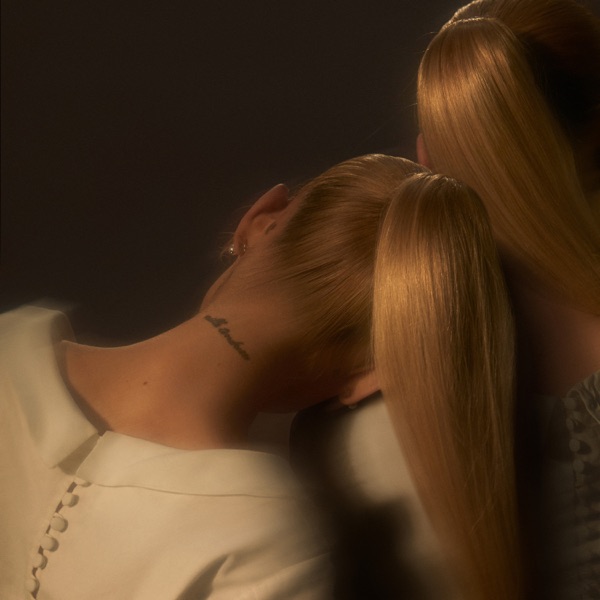
Ariana Grande is a whistle-register soprano whose R&B-inflected pop production, emotionally unguarded and technically exacting, has defined mainstream music since the early 2010s. From the brassy confessionalism of Problem through the rage-lit textures of Petal (2026), she occupies a rare position: a classically trained belter operating at the commercial centre of contemporary pop.
Grande signed with Republic Records in 2012 and has released eight studio albums across thirteen years, from the Mariah-influenced Yours Truly to the tonally assertive Petal, which arrived in 2026. The official "petal" music video accumulated over 4 million views within 19 hours of its July 31, 2026 premiere, debuting at number one on YouTube's music trending chart. Beyond recording, Grande operates r.e.m. beauty, a dedicated fragrance label, and The Brighter Days Ahead Foundation, all active commercial and philanthropic arms running parallel to her music output. A live tour hub confirms an ongoing concert cycle tied to the Petal release period.
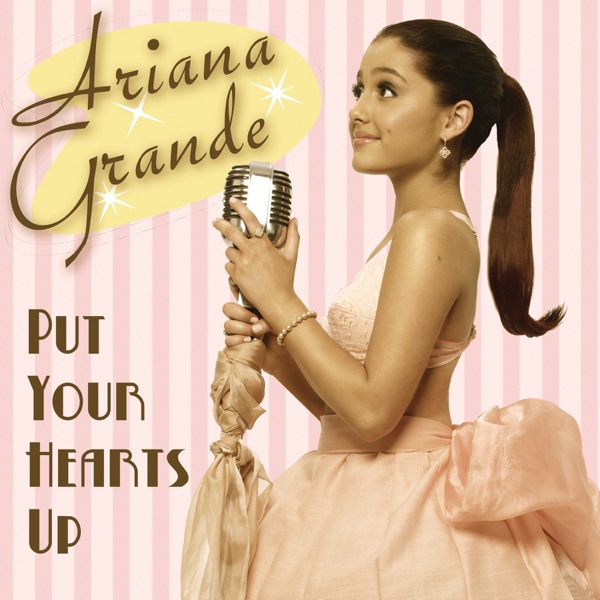
Ariana Grande-Butera grew up in Boca Raton, Florida, where she began performing in local community theatre productions as a child. That grounding in stage craft was not incidental. It was formative. When she made her Broadway debut in 2008 at age fourteen, playing Charlotte in the original cast of 13, the production was a full-scale Broadway musical with a score by Jason Robert Brown, demanding real vocal technique from a cast composed entirely of teenagers. The role required her to hold pitch, project without amplification assistance, and sustain legato phrasing in a live theatre environment. That is a different set of skills than hitting marks on a television soundstage, and Grande had both before most of her eventual peers had either.
That gap is the essential tension of her foundation years. The television context packaged her as one kind of performer. Her actual voice, a four-octave soprano instrument with classical stage training underneath it, pointed toward something considerably more ambitious. By the time Yours Truly arrived in September 2013, she was not launching cold into the market. She was converting an existing audience of millions into record buyers, a commercial runway that debut albums almost never have.
Dangerous Woman arrived in May 2016 and represented a deliberate production shift. The album's pace slowed, the arrangements deepened, and tracks like the title cut and "Into You" settled into a warmer, more patient R&B register. Both became streaming-era staples, accumulating long-tail listener numbers well beyond the album's release cycle.
The period between Dangerous Woman and her next record was fractured by a catastrophic event. On May 22, 2017, a suicide bombing at Manchester Arena killed 22 people and injured hundreds more at the conclusion of one of her concerts. Grande returned to Manchester on June 4, 2017, headlining the One Love Manchester benefit concert, which also featured performances by Coldplay, Katy Perry, and Justin Bieber, among others. The event raised funds for victims and their families. That response, measured and concrete, became a defining element of how the public understood her beyond the music.
Sweetener Through Thank U, Next: Cultural Dominance (2018–2019)
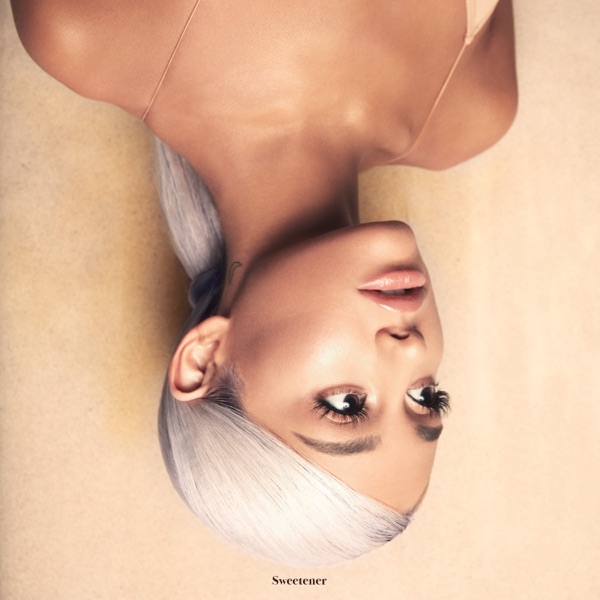
Sweetener, released August 17, 2018, marked a deliberate sonic shift. Produced in large part by Max Martin and his collaborators, the album introduced a compressed, airy aesthetic to Grande's catalogue: stacked vocals sitting close to the surface, trap-influenced hi-hat patterns ticking underneath melodic pop structures, and a brightness in the mix that felt simultaneously intimate and stadium-ready. The result was an album that rewarded headphone listening and playlist placement equally, a quality that mattered enormously as streaming had overtaken physical and download sales. At the 61st Grammy Awards, Sweetener won Best Pop Vocal Album, Grande's first Grammy win, confirming its critical standing alongside its commercial one.
What followed arrived at a pace that surprised even her most committed audience. Thank U, Next was released February 8, 2019, just six months after Sweetener, the fastest album turnaround of Grande's career to that point. The title track debuted at number one on the Billboard Hot 100 and held that position for seven weeks. Then "7 rings," the album's second single, also debuted at number one, making Grande the first artist to debut two consecutive chart-topping singles within the same album cycle. The production aesthetic sharpened further: pitched-up vocal samples borrowed freely from trap and internet-music culture, and the lyrical register was bluntly confessional in a way that matched how people actually talked online.
The cultural weight behind these releases was considerable. The death of ex-boyfriend Mac Miller in September 2018, a broken engagement to Pete Davidson in October 2018, and the ongoing public processing of trauma from the 2017 Manchester Arena bombing all occurred within the same window as this creative acceleration. Grande channeled that pressure into directness rather than retreat. The confessional tone of Thank U, Next did not feel performed; it felt live, which is precisely why a streaming audience conditioned to emotional immediacy responded so completely. The 2018 to 2019 period remains the most commercially and critically concentrated chapter of her career.
Positions, Wicked, and the Quiet Pivot (2020–2023)
Positions, released October 30, 2020, opened with a chart achievement that had no female precedent in the United States. The album debuted at number one on the Billboard 200 while its title track simultaneously debuted at number one on the Hot 100, making Grande the first female artist to debut both an album and its lead single at the top of their respective charts in the same week. The record extended the commercial momentum of Thank U, Next, but it did so in a markedly different register.
Where Thank U, Next had been confrontational and propulsive, Positions pulled inward. Produced primarily by Tommy Brown and Mr. Franks, the album traded velocity for texture: soft R&B production, slow-burn arrangements, and a vocal delivery pitched closer to a murmur than a proclamation. Grande's whistle register and melismatic runs were still present, but they surfaced within a hushed, domestic sound world designed to feel intimate rather than anthemic. The contrast was deliberate, but it divided audience response in ways that the chart peak did not fully reflect.
Critical reception was measured rather than effusive, and the commercial momentum did not sustain at the level Thank U, Next had established. That gap became the subject of active public debate in 2026, when a YouTube video titled "It NEVER Started with Wicked: Ariana Grande's Decline" accumulated 459,000 views within approximately two weeks of publication. The video's central argument, that the inflection point predated the Wicked film entirely, reflects genuine ambivalence about whether Positions consolidated or dispersed the cultural dominance Grande had built through 2019.
The Wicked film, directed by Jon M. Chu and released November 22, 2024, cast Grande as Glinda opposite Cynthia Erivo's Elphaba. Grande had spoken publicly about wanting the role for years before production began, and the casting connected directly to the musical theatre background that preceded her recording career. Rather than a detour from music, the film functioned as a reorientation: a return to the stage-trained physical and vocal discipline that had shaped her before Nickelodeon, before Yours Truly, before any of it. Rolling Stone's review of Petal frames the emotional intensity of that 2026 album as her most compelling mode, and that intensity reads as something the theatrical rigour of Wicked helped unlock. The quieter Positions period and the performative demands of the film together appear to have created the conditions for the rawer, more confrontational work that followed.
Eternal Sunshine and Petal: The Rage-Forward Reinvention (2024–2026)
Eternal Sunshine, released March 8, 2024, and Petal (2026) are not separate eras separated by creative silence. Wikipedia's career structure groups them explicitly alongside the Wicked film as a single continuous period, and that framing holds up under scrutiny. The Wicked project, in which Grande played Glinda opposite Cynthia Erivo, occupied significant time and public attention between the two records. Rather than interrupting her music career, it functioned as connective tissue, keeping her in a performance-intensive creative mode while the emotional material for Petal accumulated beneath the surface.
Petal arrived as Grande's eighth studio album, and the tonal shift from Positions is audible in its critical reception from the first review cycles. Rolling Stone framed its assessment around a direct argument: pissed-off Ariana Grande is the best Ariana Grande, and Petal is the proof. Where Positions cultivated a domestic warmth and deliberate softness, Petal reaches toward emotional directness and assertive energy. The restraint is gone. What replaces it is something more exposed and, according to that critical read, more compelling.
The album's title carries symbolic weight that the music appears to earn. A petal suggests fragility by reflex, something shed, something bruised easily. But the image also carries durability: petals are not ornamental afterthoughts but functional reproductive structures, and the flower stripped of its sweetness leaves something purposeful rather than decorative. That ambiguity, fragility reloaded rather than discarded, sits close to the album's thematic territory as Grande has described it.
Pre-release momentum was substantial. The single "hate that i made you love me" accumulated approximately 59 million views within one month of release, establishing audience appetite well before the LP arrived. When the official music video for the title track "petal" premiered on July 31, 2026, it debuted at number one on YouTube's Music Trending chart and accumulated over 4,087,472 views within 19 hours of release, drawing from a subscriber base of 57.8 million on the ArianaGrandeVevo channel. Those are numbers that reflect an audience not merely familiar with Grande but actively invested in where she goes next. Full album playlist content and active merch available through Ariana Grande's official shop confirm the commercial rollout is live and sustained. Further discography context, including the complete list of songs recorded by Ariana Grande, situates Petal within a catalogue now spanning more than a decade of recording.
Notable Collaborations and Soundtracks
Beyond the albums above, Grande's catalogue includes significant featured appearances and collaborative credits. Mac Miller and Iggy Azalea appear on Yours Truly and My Everything era singles respectively. Nicki Minaj collaborated with Grande across the My Everything and Dangerous Woman periods. Social House worked alongside her during the Thank U, Next cycle. In 2024, Grande starred in the Wicked original motion picture alongside Cynthia Erivo, contributing to its accompanying soundtrack release on Republic Records.
For track-by-track lyrics and song interpretation breakdowns covering Petal, Eternal Sunshine, and her full back catalogue, the MyBesh artist database provides detailed analysis for every release era.
Musical Style and Vocal Influence
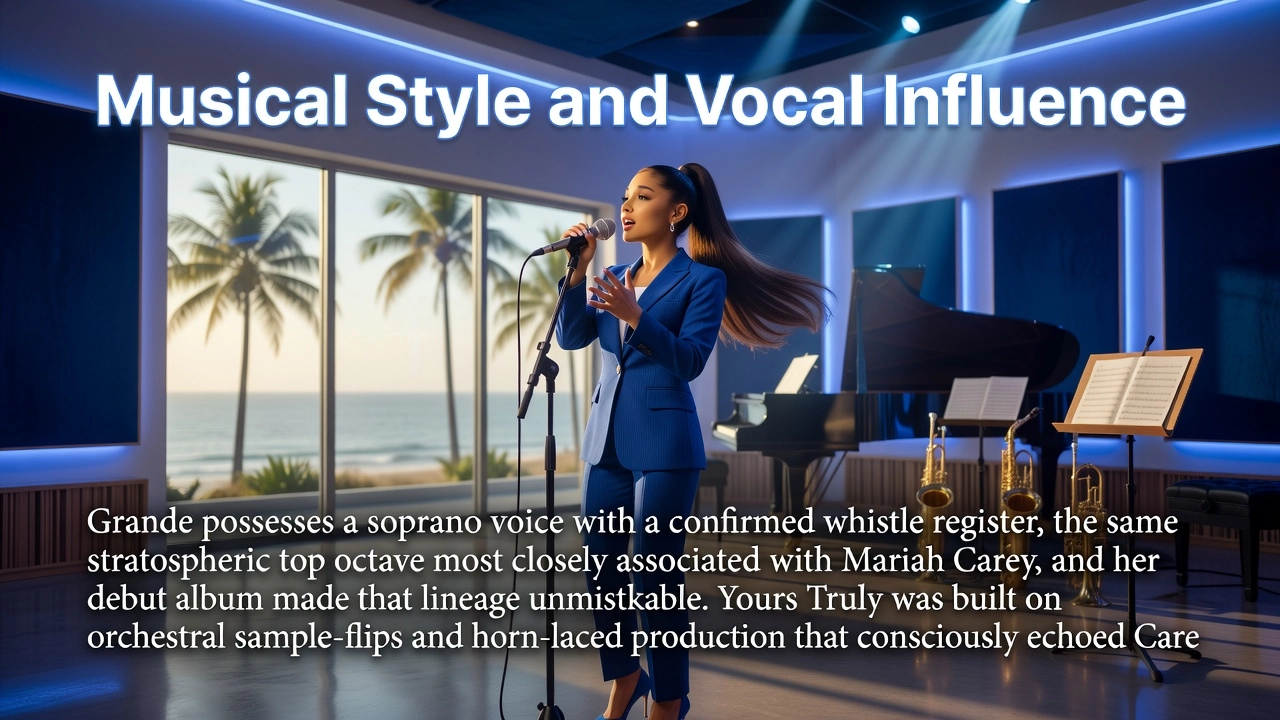
Grande possesses a soprano voice with a confirmed whistle register, the same stratospheric top octave most closely associated with Mariah Carey, and her debut album made that lineage unmistakable. Yours Truly was built on orchestral sample-flips and horn-laced production that consciously echoed Carey's early 1990s catalogue, positioning Grande not as an imitator but as a direct inheritor of a specific vocal tradition. Whitney Houston sits alongside Carey as a named primary influence, and the combination is audible in how Grande approaches a held note: the Carey-style registration shift into the upper range paired with the Houston-derived commitment to emotional delivery within the chest voice.
What separates Grande technically from peers operating in the same commercial pop tier is the pairing of classical bel canto discipline with contemporary R&B vocal runs. Her theatre training, beginning with Broadway's 13 in 2008, built the legato line control and diction precision that studio production tends to flatten out of younger pop vocalists. That foundation survived the transition intact. When Max Martin and his collaborators reconstructed her sonic environment on Sweetener in 2018, adding compressed, airy space and minimal orchestration, her breath management across long melodic phrases remained clean and unforced.
The production arc across her catalogue reflects shifting emotional registers as much as commercial calculation. The trap hi-hat vocabulary that defined Thank U, Next gave the vocal delivery a looser, more conversational urgency. Petal moves further still: Rolling Stone's Rob Sheffield describes the album as a "rage" record, and that characterisation holds sonically. The arrangements carry harder edges and more assertive rhythmic construction, a production shift that matches the lyrical posture. MyBesh's song interpretation pages examine this track-by-track, tracing how the emotional content of the Petal era is encoded in the production choices themselves, not only the words.
Awards and Accolades
Grande's award history maps almost exactly onto the commercial and critical peaks of each album era, making it a useful index of where her influence registered most forcefully and with which audiences.
The most significant single honour in her catalogue is the Grammy Award for Best Pop Vocal Album, won at the 61st Grammy Awards in February 2019 for Sweetener. That win confirmed what the sales and streaming figures had already indicated: the album's compressed, Max Martin-produced aesthetic landed not only with listeners but with the Recording Academy. Grande has also accumulated Grammy nominations across multiple categories and album cycles, including recognition tied to the thank u, next era, though the Sweetener win remains her sole Grammy victory to date.
At the Billboard Music Awards, Grande has collected multiple wins across Top Female Artist, Top Hot 100 Artist, and category-specific song awards. These wins track the thank u, next and 7 rings period particularly closely, when her chart dominance was simultaneous rather than sequential.
The MTV Video Music Awards delivered her most visible trophy moments. She won Video of the Year at the 2019 VMAs for "thank u, next," with additional wins in that ceremony tied to the same creative cycle.
Internationally, Grande holds a Brit Award for International Female Solo Artist, reflecting the sustained global audience that her multilingual Wikipedia discography page signals in structural terms. Each album phase produced its own award cycle, and taken together, those cycles trace a career that has generated recognition across pop, R&B, and mainstream crossover categories for more than a decade.
Frequently Asked Questions
What is Ariana Grande's vocal range?
Grande is classified as a soprano with a documented whistle register, the extreme upper extension of the voice most associated with Mariah Carey. Her phrasing and melismatic runs also carry the emotional directness of Whitney Houston's delivery, and both singers are consistently cited as primary influences on her technique and approach.
What does Petal sound like?
Rolling Stone critic Rob Sheffield characterises Petal with the headline "There's No Ariana Grande Like Pissed-Off Ariana Grande," positioning rage and emotional intensity as the album's defining register. Where Positions leaned into softness and intimacy, Petal shifts toward harder emotional territory, and Sheffield argues that unguarded anger suits Grande in ways her more polished modes do not always reveal.
How did the Wicked film influence her music?
Wikipedia explicitly groups the 2024 Wicked film and Petal as a single continuous creative chapter, suggesting the two are not separate projects but sequential expressions of the same period. Playing Glinda under Jon M. Chu's direction appeared to sharpen Grande's emotional directness and reinforce the stage discipline she has carried since her musical theatre years, qualities audible throughout Petal.
What is r.e.m. beauty?
r.e.m. beauty is Grande's cosmetics line, operating as a standalone brand distinct from her separate fragrance label. Both ventures sit alongside The Brighter Days Ahead Foundation as part of her broader commercial portfolio, reflecting a multi-platform presence that extends well beyond recorded music.
Where can I read lyrics and song meanings for Ariana Grande's catalogue?
MyBesh provides editorial-grade lyrics and song interpretation analysis across Grande's full discography, including Petal and earlier albums. The database combines human editorial oversight with AI-assisted research, offering readers context, thematic breakdowns, and meaning analysis for individual tracks.
The Continuing Story
From musical theatre discipline in Boca Raton through a whistle-register R&B-pop breakthrough, then into a period of genuine cultural dominance, followed by a quieter creative recalibration, and now the rage-forward emotional intensity of Petal, Grande's career has moved in purposeful arcs rather than a straight line. Eight studio albums across thirteen years is not a plateau; it is a sustained rate of reinvention that few artists at her commercial level have matched.
Petal is the current chapter, not the closing one. The creative velocity that produced Thank U, Next within months of personal crisis, that pivoted into the compressed pop architecture of Eternal Sunshine, and that has now arrived at what Rolling Stone calls a "pissed-off" register suggests the next reinvention is already forming. An active tour cycle accompanies the album, with live dates available via the official shop, signalling that the Petal era has reach beyond the studio.
For readers who want to go deeper, MyBesh carries song interpretations for the Petal tracklist, a full lyrics archive spanning every studio album, and related artist pages for those tracing the Mariah Carey and Whitney Houston vocal lineage that has shaped Grande's technique from Yours Truly onward. Those pages are the logical next step for anyone who has followed this biography to its current edge.
A catalogue that has moved from teenage heartache to pop dominance to bone-deep fury earns the kind of re-listening that feels less like nostalgia and more like keeping up.

 via depositphotos ↗