
30-sec preview
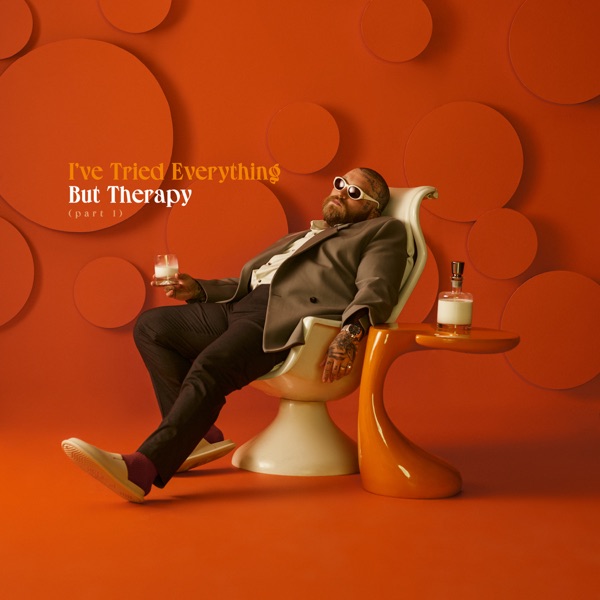
2024 · From the album I've Tried Everything But Therapy (Part 1)
The Door
by Teddy Swims
The reading
The moment someone finally ends a relationship that was eroding them, and realises the leaving is what keeps them alive
02 · Interpretation
Teddy Swims, 'The Door': The Goodbye That Doubles as a Rescue
The drama of "The Door" is not the breakup itself but the flip of the switch inside the narrator's head. One moment he is still negotiating with someone who has hollowed him out; the next, the goodbye is delivered, and he hears himself living through it. Teddy Swims, the Atlanta singer born Jaten Dimsdale whose voice sits in a pocket between contemporary R&B and Southern soul, builds the song around that hinge.
Released in April 2024 as part of the expanded edition of I've Tried Everything But Therapy (Part 1), the track fits the album's loose project: songs about trying to manage emotional damage without actually addressing it, until the cost gets too high. "The Door" is the moment the cost finally registers.
The setup: a relationship learned like a foreign language
The opening verse frames the relationship as something the narrator absorbed against his nature. He took a page from her favourite book; she sold him lies through her body language; she taught him "a language that I never speak." The repeated brush-off, "that ain't for me," lands like someone testing the words out loud, trying to believe them. The implication is that he contorted himself to fit her, and the version of him that resulted was not native.
The second verse pushes further into culpability and exhaustion. He dug his own grave watching her; she got him higher than he had ever been; he gave too many chances. The line "Baby, I'm just a man" is the song's quiet pivot, a refusal to keep performing endurance. He is not claiming victimhood, only finitude.
The chorus: a list of behaviours, then a verdict
The pre-chorus reads almost like a checklist of habits being put down: no more late-night rumination, no more circling her friend group, no more gathering up the pieces of himself she left on the floor. It is the practical infrastructure of moving on, named before the emotional verdict arrives.
Then the chorus delivers two contradictions held together. He said he would die for her; he cannot take the pain. He thought he was willing to keep going; tonight he saved his life by showing her the door. The phrasing matters: he does not say he is glad, or healed, or free. He says he survived a night he expected to be lethal. "I don't want to lose you, baby / But I can't play this game no more" keeps the longing intact even as the action is final. This is what separates the song from a triumphant breakup anthem; the love is not gone, the tolerance is.
The third verse: the look across the table
The bridge-like third verse is the only moment we see her reaction. She never thought this day would come. He looks her in the eyes and pulls the rug. He names what she did, trying to take his sanity, and again repeats the refrain that this is not for him. The detail of eye contact does a lot of work; it suggests he is not running, not sneaking out, not writing a text. He is delivering the news in person, which is how the leaving becomes self-respect rather than escape.
Why it lands
Teddy Swims sings the song in a register that keeps tipping toward gospel without arriving there, which suits material about a private deliverance. The repeated phrase "saved my life" could read as melodrama in a thinner voice; here it sounds like reportage from someone who genuinely was not sure he would make it out. The song works because it refuses to pretend leaving is easy or that the love was fake. Both can be true: she mattered, and staying would have cost too much.
In a streaming era crowded with breakup songs that perform either rage or wistfulness, "The Door" occupies the narrower middle ground of ambivalent survival. That is probably why it found an audience beyond the singles cycle; most people who have left someone they still wanted know exactly which night the song is describing.
Themes catalogued
03 · Lyrics
"The Door"
I took a page out of your favorite book
You sold me lies just by the way you look
Taught me a language that I never speak
Baby, that ain't for me
That, that ain't for me
I dug my grave watching the way you move
You took me higher than I ever flew
Too many times, gave you a second chance
Baby, I'm just a man
I'm, I'm just a man
No more thinking about you late night
No more running around with your friends now
Done picking up pieces of my soul up off the floor
I said I would die for you, baby
But I can't take this pain no more
I thought I was willing
But tonight I save my life when I showed you the door
I don't want to lose you, baby
But I can't play this game no more
I thought it would kill me
But tonight I saved my life when I showed you the door
You never thought this day would ever come
But I looked you in the eyes and pulled the rug
You tried to take away my sanity
Baby, that ain't for me
That, that ain't for me
Oh, no more thinking about you late night
No more running around with your friends now
Done picking up pieces of my soul from up the floor
I said I would die for you, baby
But I can't take this pain no more
I thought I was willing
But tonight I saved my life when I showed you the door
I don't want to lose you, baby
But I can't play this game no more
I thought it would kill me
But tonight I saved my life when I showed you the door
When I showed you the door
When I showed you the door
But tonight I saved my life
I said I would die for you, baby
But I can't take this pain no more
I thought I was willing
But tonight I saved my life when I showed you the door
I don't want to lose you, baby (I don't want to lose you, baby)
But I can't take this game no more
I thought it'd kill me (I thought it'd kill me)
But tonight I saved my life when I showed you the door
Hmm-mm
Lyrics via Google. Copyright belongs to rights holders.
04 · FAQ
Frequently asked
What does 'I saved my life when I showed you the door' mean in the Teddy Swims song?
Who is 'The Door' by Teddy Swims about?
What does the line 'taught me a language that I never speak' refer to?
How does 'The Door' fit into 'I've Tried Everything But Therapy (Part 1)'?
Why does Teddy Swims sing 'I don't want to lose you' in a breakup song?
What genre is 'The Door' by Teddy Swims?
Is 'The Door' based on a true story?
05 · Discography

